
Introduction
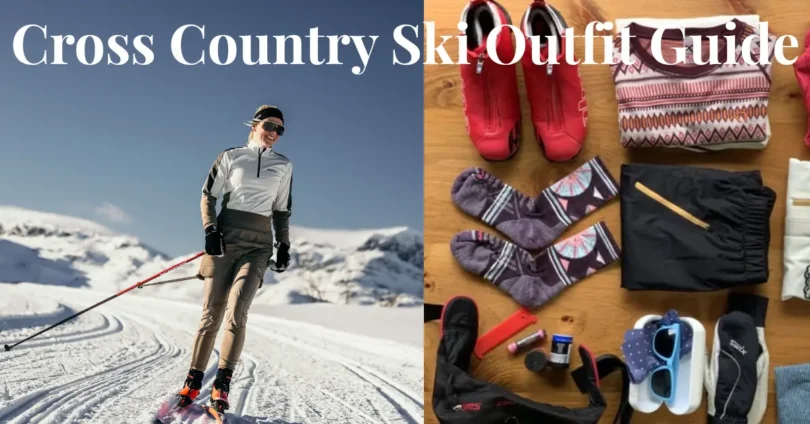
Cross-country skiing is one of winter’s most rewarding outdoor activities. It combines cardio exercise with stunning snowy landscapes — but to truly enjoy it, you need the right clothing. Unlike downhill skiing, cross-country skiing generates a lot of body heat while still exposing you to cold air and wind. That’s why a well-planned cross country ski outfit is essential. The right layers and accessories keep you warm, dry, and comfortable without restricting movement, so you can ski longer and perform better. In this guide, you’ll discover exactly how to dress for success on the trails.
Importance of the Right Outfit
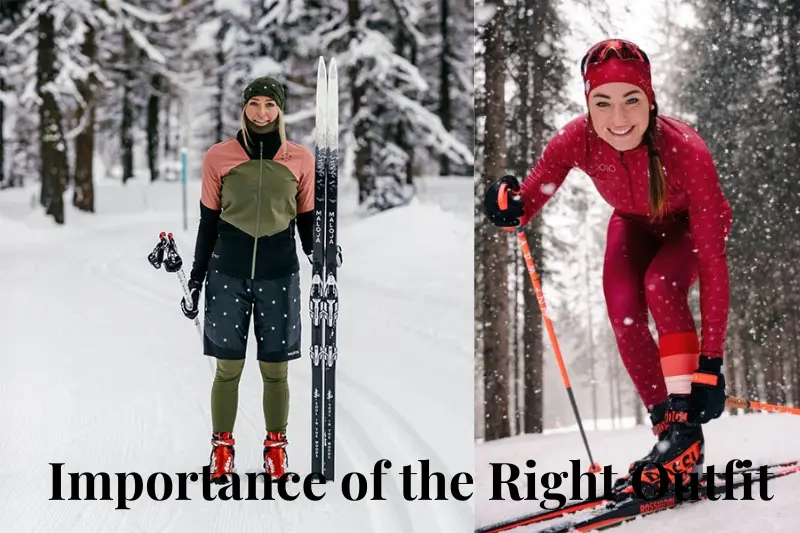
Choosing the right cross country ski outfit is about more than style — it directly affects your comfort, safety, and performance on the trail. Unlike downhill skiing, cross-country skiing is a high-energy activity that causes you to sweat while you’re still exposed to freezing temperatures, wind, and snow. Without proper clothing, you can quickly become overheated and damp or, worse, chilled once you stop moving.
The right outfit helps you:
- Stay Warm but Not Overheat: Technical fabrics regulate your body temperature while allowing moisture to escape.
- Stay Dry: Moisture-wicking base layers and breathable outer layers keep sweat and snow from soaking your skin.
- Move Freely: Lightweight, flexible clothing won’t restrict your stride or arm swing.
- Stay Safe: Windproof and water-resistant shells protect against hypothermia and frostbite during changing weather conditions.
In short, a well-thought-out ski outfit keeps you comfortable from the first glide to the last hill, letting you focus on enjoying the scenery and improving your performance.
Layering Basics
When it comes to dressing for cross-country skiing, layering is the golden rule. Instead of one bulky coat, wear several thin layers that each serve a specific purpose. This approach keeps you warm, lets moisture escape, and makes it easy to add or remove clothing as conditions change.
A good layering system for a cross country ski outfit usually includes:
- Base Layer (Next to Skin): A lightweight, moisture-wicking top and bottom made from merino wool or technical synthetics. This pulls sweat off your skin to keep you dry.
- Mid Layer (Insulation): A thin fleece or light synthetic jacket to trap heat without adding bulk. Use it on colder days and skip it when it’s mild.
- Outer Layer (Shell): A breathable, wind-resistant jacket and pants. Softshell fabrics are ideal because they block wind but still release excess heat and moisture.
By mixing and matching layers, you can adapt to the weather and your effort level — zipping down or removing a layer when climbing hills, then bundling back up for descents or breaks. This flexibility is what makes layering essential for any successful day on the trails.
The Core Layers
A successful cross country ski outfit is built around three main layers. Each one has a job to do, and together they keep you warm, dry, and comfortable from start to finish.
- Base Layer – Moisture Management
This is the layer closest to your skin. Its job is to pull sweat away so you stay dry. Look for lightweight merino wool or high-performance synthetic fabrics. Avoid cotton — it traps moisture and quickly makes you cold.
- Mid Layer – Insulation
Your middle layer traps warmth while still allowing airflow. A thin fleece, lightweight down, or synthetic jacket works well. On warmer days you can skip this layer; on colder days it’s essential.
- Outer Layer – Weather Protection
The shell layer shields you from wind, snow, and light rain. Choose a breathable, wind-resistant jacket and pants — softshell fabrics are great because they block the elements but still let moisture escape.
By combining these three layers, you can fine-tune your comfort level: add the mid layer when it’s cold, remove it when you’re climbing or the sun comes out, and rely on your shell to keep the weather at bay.
Essential Accessories
Even the best layering system isn’t complete without the right accessories. These smaller pieces add warmth, protection, and comfort so you can ski longer and enjoy the trails more.
- Hat or Headband: Keeps your ears and head warm while still allowing heat to escape. Thin, breathable fabrics work best for high-output skiing.
- Gloves: Opt for lightweight, insulated Nordic ski gloves. They provide warmth, grip on your poles, and flexibility without bulk.
- Neck Gaiter or Buff: Protects your neck and face from wind and blowing snow. You can pull it up over your mouth on extra cold days.
- Socks: Choose warm, moisture-wicking ski socks — merino or technical blends prevent blisters and keep feet dry.
- Sunglasses or Goggles: Shield your eyes from snow glare, wind, and UV rays. Goggles are better in heavy snow or high wind.
- Sun Protection: Even on cloudy days, snow reflects UV rays. A small bottle of sunscreen and lip balm with SPF can save your skin.
These accessories might seem minor, but together they make a big difference in your comfort, safety, and performance on the trail.
Sample Outfit Combinations
Knowing what to buy is one thing, but seeing it all put together makes it easier to plan your own cross country ski outfit. Here are a few tried-and-true combinations you can adapt to your climate and activity level:
- Cold Day Setup (Below -5°C / 23°F)
- Base Layer: Midweight merino wool top and bottoms
- Mid Layer: Thin fleece or light synthetic jacket
- Outer Layer: Windproof softshell jacket and pants
- Accessories: Nordic ski gloves, wool socks, insulated headband or hat, neck gaiter pulled up over the face
- Mild Day Setup (Above -5°C / 23°F)
- Base Layer: Lightweight synthetic or merino top and bottoms
- Mid Layer: Skip it or wear a thin vest for core warmth
- Outer Layer: Breathable wind-resistant jacket and softshell pants
- Accessories: Light gloves, performance ski socks, headband, sunglasses for glare
- Beginner/Low Intensity Skiing
- Base Layer: Lightweight moisture-wicking top and bottoms
- Mid Layer: Thin fleece for added warmth
- Outer Layer: Slightly heavier softshell jacket and pants (since you won’t be generating as much body heat)
- Accessories: Warm gloves, hat, gaiter, goggles or sunglasses
These examples show how you can adjust layers and accessories for conditions and effort level. Once you understand the system, it’s easy to mix and match pieces to stay warm, dry, and comfortable.
Common Mistakes to Avoid
Even with good gear, a few simple missteps can make your day on the trails uncomfortable. Here are the most common mistakes people make when putting together a cross country ski outfit — and how to avoid them:
- Overdressing in Bulky Layers: Heavy winter coats and thick pants trap too much heat. Instead, rely on light, technical layers you can adjust.
- Wearing Cotton: Cotton holds sweat and dries slowly, leaving you chilled. Stick to merino wool or synthetic fabrics for all base layers.
- Ignoring Ventilation: Not unzipping your jacket or removing a layer during climbs can cause overheating and excessive sweating.
- Forgetting Sun Protection: Snow reflects UV rays, so apply sunscreen and wear sunglasses or goggles even on cloudy days.
- Neglecting Hands and Feet: Thin socks or non-breathable gloves can lead to cold, wet extremities. Invest in quality ski-specific accessories.
- Skipping Weather Checks: Dressing without considering wind, temperature, or snowfall often leads to discomfort. Always check the forecast and plan your outfit accordingly.
By avoiding these pitfalls, you’ll stay warm, dry, and comfortable — making every ski session more enjoyable.
Tips for Buying & Budgeting
Putting together a complete cross country ski outfit doesn’t have to break the bank. With a few smart choices, you can get quality gear that performs well and lasts for seasons.
- Invest in the Core Pieces: Spend more on your base layers and outer shell. These directly affect your comfort and will get the most use.
- Buy Versatile Layers: Choose neutral colors and simple designs you can mix and match for different conditions.
- Look for Sales and Off-Season Deals: Late spring and early fall are the best times to score discounts on ski gear.
- Rent or Borrow Before You Buy: If you’re new to the sport, try renting or borrowing gear to see what you like before committing.
- Prioritize Fit and Function Over Brand Names: A properly fitting jacket or gloves from a mid-range brand often performs as well as a premium label.
- Check Local Outdoor Gear Swaps or Online Marketplaces: Many skiers sell lightly used clothing at a fraction of the original price.
By budgeting wisely and focusing on quality where it counts, you’ll build a reliable ski outfit that keeps you warm, dry, and comfortable without overspending.
Conclusion
A well-planned cross country ski outfit can transform your winter adventures. By layering smartly, choosing technical fabrics, and adding the right accessories, you’ll stay warm, dry, and comfortable no matter the conditions. This isn’t just about looking the part — the right clothing helps you ski longer, move more freely, and truly enjoy the peace and beauty of snowy trails.
Whether you’re a beginner renting gear or a seasoned skier upgrading your wardrobe, focus on fit, breathability, and flexibility over bulk. With these tips, you’ll be ready to glide through winter with confidence and comfort.