
Introduction
Pakistani culture is renowned for its vibrant heritage, and one of the most visible expressions of this rich tradition is its clothing. The dresses of Pakistani culture reflect centuries of artistry, regional diversity, and the deep-rooted customs that define everyday life and special occasions alike. From the bustling streets of Karachi to the festive gatherings in Lahore, traditional Pakistani dresses play an essential role in both daily wear and ceremonial attire, offering a unique glimpse into the country’s identity.
Pakistani fashion is not just about clothing; it tells stories of craftsmanship, cultural pride, and timeless elegance. Whether it is the intricately embroidered shalwar kameez worn during weddings or the colorful ensembles that brighten festivals, cultural attire embodies both history and contemporary trends. For those seeking to experience Pakistan’s vibrant heritage, these traditional garments serve as a perfect gateway, blending comfort, beauty, and cultural significance. Embracing the dresses of Pakistani culture is more than a fashion choice—it is a celebration of tradition, artistry, and the enduring spirit of the nation.
History and Evolution of Pakistani Dresses
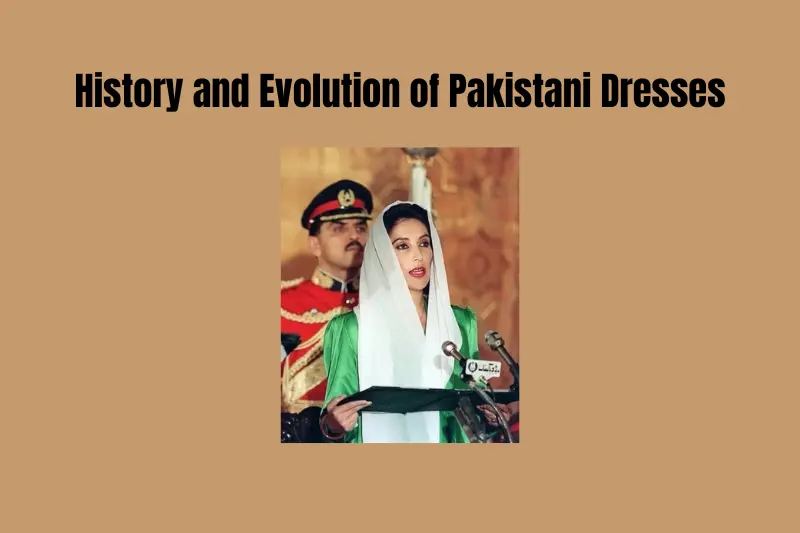
The dresses of Pakistani culture have a long and fascinating history that reflects the country’s diverse regions, religions, and influences over centuries. Traditional Pakistani dresses such as the shalwar kameez, lehenga, and saree have evolved from ancient South Asian attire, blending Mughal, Persian, and local craftsmanship. Over time, these garments have become symbols of cultural pride, worn not only in daily life but also during festivals, weddings, and other ceremonial occasions.
Pakistani fashion has witnessed remarkable changes, adapting to modern trends while retaining its traditional essence. Embroidery techniques like chikankari, phulkari, and gota work have been preserved for generations, giving each outfit a unique artistic value. Even contemporary designers often incorporate these traditional elements, creating clothing that honors cultural heritage while appealing to global fashion sensibilities.
Understanding the history of Pakistani cultural attire allows us to appreciate its intricate designs and regional variations. From the flowing fabrics of Sindh to the vibrant textiles of Punjab, each dress tells a story, representing the rich legacy and evolving identity of Pakistan.
Types of Traditional Pakistani Dresses
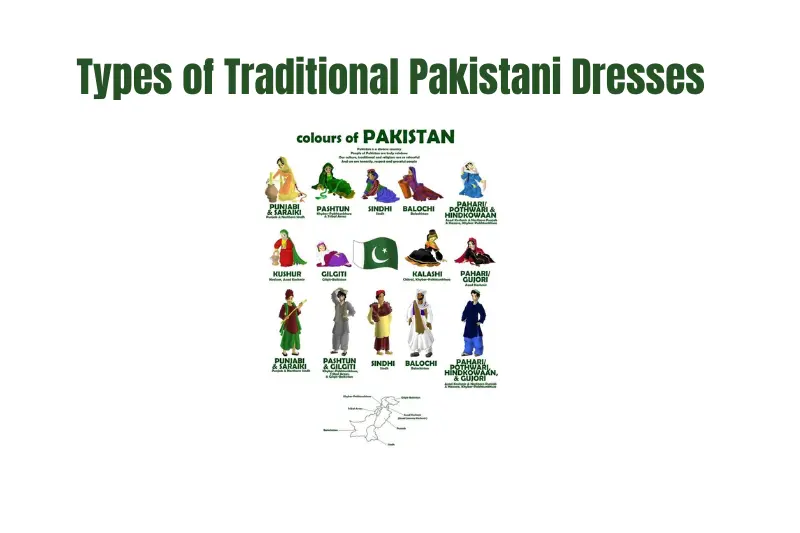
Pakistani cultural attire is incredibly diverse, reflecting the country’s rich heritage, regional styles, and centuries-old traditions. The dresses of Pakistani culture are not only visually stunning but also carry deep cultural significance, making them suitable for daily wear, festive occasions, and grand celebrations.
Shalwar Kameez
The shalwar kameez is the most iconic traditional Pakistani dress, worn by both men and women. It consists of a long tunic (kameez) paired with loose-fitting pants (shalwar) and often complemented by a dupatta. Its versatility makes it perfect for daily wear as well as formal events. Modern Pakistani fashion has adapted the shalwar kameez with various fabrics, cuts, and embroidery techniques while preserving its traditional charm.
Lehenga Choli
Lehenga cholis are elaborate, flowing skirts paired with a fitted blouse and dupatta, typically worn during weddings and festive occasions. Known for intricate embroidery, mirror work, and vibrant colors, lehengas represent opulence in Pakistani fashion. Bridal lehengas, in particular, are a centerpiece of cultural attire, showcasing exquisite craftsmanship and regional artistry.
Saree
While sarees are more common in some regions, they remain a significant part of Pakistani cultural attire, especially in Sindh and parts of Punjab. A saree is a long piece of fabric draped elegantly around the body and paired with a blouse. Traditional sarees often feature handwoven patterns, intricate embroidery, and regional designs.
Anarkali Suits
Anarkali suits are long, frock-style dresses that flare out from the waist, often paired with slim pants and a dupatta. Inspired by Mughal-era fashion, these suits are popular for formal events and parties, blending historical elegance with modern Pakistani fashion trends.
Kurta and Pajama Sets
Kurta and pajama sets are a simpler, comfortable variation of traditional attire, widely worn by men and women. These outfits are suitable for casual occasions, religious gatherings, and cultural festivals, offering a perfect balance of comfort and style.
Each type of traditional Pakistani dress carries its own story and cultural significance. Understanding these variations not only helps in choosing the right outfit for different occasions but also allows one to appreciate the artistry and heritage embedded in Pakistani fashion.
Regional Variations in Pakistani Attire
The dresses of Pakistani culture are as diverse as the country’s regions, each reflecting unique traditions, fabrics, and craftsmanship. From the colorful embroidery of Punjab to the intricate weaves of Sindh, every province contributes to Pakistan’s rich fashion heritage.
Punjab
Punjab is known for its vibrant and lively attire. Traditional Punjabi dresses often feature bright colors, floral patterns, and phulkari embroidery, which is hand-stitched with intricate designs. Women typically wear shalwar kameez or lehenga cholis during festivals and weddings, while men favor kurta pajama sets, often accessorized with waistcoats.
Sindh
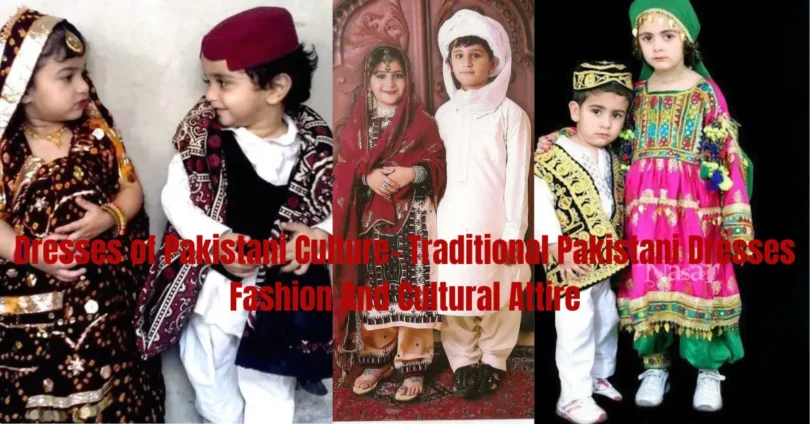
Sindhi traditional dresses are distinguished by their mirror work, bold prints, and rich fabrics. Ajrak patterns and bandhani prints are particularly popular, showcasing the region’s artistic heritage. Women’s dresses often include long skirts or shalwar kameez with elaborate embroidery, while men wear kurta pajama sets paired with Sindhi caps.
Balochistan
Balochi dresses are known for their distinctive cut and heavy embroidery, reflecting the province’s nomadic lifestyle. Women wear long dresses adorned with geometric patterns, while men often wear baggy shalwar kameez with embroidered vests. The vibrant colors and detailed craftsmanship make these outfits stand out in Pakistani fashion.
Khyber Pakhtunkhwa (KP)
KP traditional attire is simpler yet culturally significant. Women wear long tunics with loose trousers and embroidered scarves, while men wear shalwar kameez with waistcoats or traditional Chitrali caps. The clothing emphasizes both comfort and modesty, suitable for the province’s mountainous terrain.
Gilgit-Baltistan
In Gilgit-Baltistan, dresses reflect the cold climate and cultural diversity. Woolen fabrics, layered clothing, and embroidered coats are common. Women often wear long dresses with colorful aprons, while men wear thick shalwar kameez and traditional caps, blending practicality with cultural artistry.
Understanding these regional variations highlights the incredible diversity within Pakistani cultural attire. Each dress not only reflects local traditions but also contributes to the broader landscape of Pakistani fashion, making the country’s clothing heritage rich and unique.
Occasions to Wear Pakistani Cultural Dresses
The dresses of Pakistani culture are not just pieces of clothing—they are expressions of tradition, celebration, and identity. Different occasions call for specific styles, colors, and embellishments, making these outfits central to Pakistani life.
Weddings
Weddings in Pakistan are grand celebrations where traditional attire takes center stage. Bridal dresses are usually elaborate lehengas or heavily embroidered shalwar kameez, often adorned with zari work, sequins, and intricate beadwork. Grooms typically wear sherwanis or kurta pajama sets paired with embroidered waistcoats and turbans. Pakistani fashion ensures that these outfits reflect cultural heritage while offering a modern touch.
Festivals
Festivals like Eid, Basant, and regional harvest celebrations are occasions to showcase vibrant Pakistani cultural attire. Women often choose colorful shalwar kameez or lehengas with festive embroidery, while men wear traditional kurta pajama sets in bright hues. Accessories, such as dupattas, jewelry, and embroidered shoes, further enhance the festive look.
Daily and Casual Wear
Even in everyday life, traditional Pakistani dresses are widely embraced. Comfortable shalwar kameez, kurtas, and kurti sets are popular for casual wear, offering both elegance and practicality. Modern Pakistani fashion has also introduced lighter fabrics, simpler embroidery, and fusion styles to suit daily routines while preserving cultural roots.
Religious and Cultural Ceremonies
Special occasions like Milad-un-Nabi, Urs celebrations, and regional cultural festivals require modest yet traditional attire. Women often wear embroidered shalwar kameez with scarves, while men prefer kurta pajama sets or regional outfits reflecting local customs. These dresses connect wearers to their heritage and demonstrate respect for cultural norms.
By choosing the right outfit for each occasion, one can celebrate Pakistan’s rich cultural heritage while embracing the elegance and diversity of traditional Pakistani dresses. These clothes are more than fashion—they are a tribute to the artistry, history, and identity of the nation.
Modern Adaptations in Pakistani Fashion
While the dresses of Pakistani culture are deeply rooted in tradition, contemporary Pakistani fashion has skillfully blended heritage with modern trends. Designers today are reinventing traditional Pakistani dresses to appeal to both local and global audiences, ensuring cultural attire remains relevant in the modern era.
Fusion Wear
Fusion fashion combines traditional elements with modern silhouettes. For example, designers may pair a classic shalwar kameez with a contemporary cape, or create lehenga skirts with minimalistic tops. These adaptations make traditional attire more versatile for urban lifestyles while preserving cultural identity.
Innovative Fabrics and Styles
Modern Pakistani fashion incorporates lighter fabrics, breathable materials, and eco-friendly textiles. Designers experiment with cuts, layers, and asymmetrical hems, giving a fresh perspective to classic dresses of Pakistani culture. Embroidery techniques like chikankari, gota, and phulkari are now used in subtle, stylish ways suitable for everyday wear or formal events.
Bridal and Festive Trends
Contemporary bridal and festive dresses are evolving with global influences. While traditional motifs remain central, designers introduce pastel colors, metallic shades, and minimalistic embroidery alongside the classic vibrant palettes. This fusion appeals to modern brides and fashion enthusiasts who want elegance without compromising cultural authenticity.
International Recognition
Pakistani fashion designers are now gaining international recognition by showcasing traditional Pakistani dresses on global platforms. By combining local craftsmanship with modern aesthetics, cultural attire is reaching wider audiences, highlighting Pakistan’s rich sartorial heritage.
Modern adaptations ensure that the dresses of Pakistani culture remain timeless. They honor traditional craftsmanship while embracing contemporary tastes, allowing everyone to celebrate Pakistani fashion in versatile, stylish, and meaningful ways.
Tips for Choosing the Right Pakistani Dress
Selecting the perfect dress of Pakistani culture requires a balance of style, comfort, and occasion-appropriateness. Here are some helpful tips:
Consider the Occasion
- For weddings and festive events, opt for heavily embroidered shalwar kameez, lehengas, or Anarkali suits.
- For daily wear, choose comfortable fabrics and simpler designs like cotton shalwar kameez or kurta pajama sets.
Choose Fabrics Wisely
- Heavier fabrics like silk, chiffon, or brocade are ideal for formal events.
- Light cotton or lawn fabrics are perfect for casual wear and hot climates.
Embrace Regional Styles
- Explore embroidery, patterns, and cuts unique to different provinces. Phulkari from Punjab, Ajrak from Sindh, and Balochi embroidery all add cultural authenticity to your outfit.
Balance Tradition with Modern Trends
- Fusion wear allows you to wear traditional Pakistani dresses with a contemporary twist. Pair modern cuts with classic embroidery for a stylish yet culturally rooted look.
Accessorize Thoughtfully
- Use dupattas, jewelry, and footwear to complement the outfit while maintaining cultural authenticity.
- By keeping these tips in mind, you can confidently embrace Pakistani fashion while staying comfortable, stylish, and true to cultural heritage.
Conclusion
The dresses of Pakistani culture are more than clothing—they are a vibrant celebration of heritage, artistry, and identity. From the colorful shalwar kameez of Punjab to the intricately embroidered Balochi attire, each outfit tells a story of tradition and regional uniqueness. Pakistani fashion beautifully balances history and modernity, ensuring that cultural attire continues to evolve while preserving its timeless charm.
Whether for daily wear, festive celebrations, or grand weddings, traditional Pakistani dresses offer a perfect blend of elegance, comfort, and cultural pride. Embracing these outfits allows individuals to honor Pakistan’s rich sartorial legacy while exploring contemporary styles that resonate with today’s fashion sensibilities.