
Women’s Trends of the 1920s
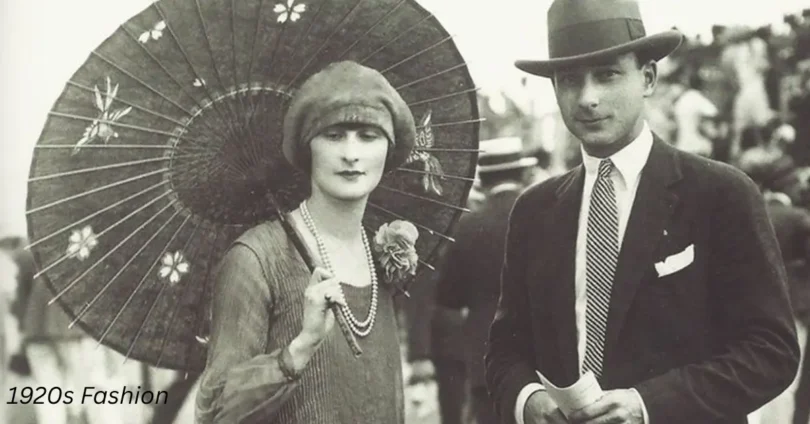
The 1920s Fashion were a turning point for women’s fashion. After World War I, social change, jazz culture, and the rise of the modern woman reshaped how women dressed. Out went restrictive corsets and floor-length skirts; in came shorter hemlines, looser silhouettes, and bold new accessories. Below is a complete look at the key women’s trends of the 1920s.
The Flapper Look
Nothing says 1920s like the flapper dress. These dresses had dropped waists, loose cuts, and often fringe or beading to catch the light while dancing. They symbolized freedom of movement and a break from Victorian rules.
Shorter Hemlines
For the first time, women’s dresses rose to knee-length. This was considered daring and liberating, reflecting a shift toward independence and active lifestyles.
Fabrics and Patterns
Luxury fabrics such as silk, satin, velvet, and chiffon became common for evening wear. Bold geometric prints and metallic embroidery, inspired by Art Deco design, gave outfits a modern edge.
Hairstyles and Headwear
- The Bob Cut – Short hair became the ultimate sign of modernity.
- Finger Waves – Soft waves added glamour to evening looks.
- Cloche Hats – Worn low over the forehead, these hats framed the face stylishly.
Makeup Trends
Makeup became mainstream in the 1920s. Women favored:
- Dark or red lipstick
- Smoky eyes with kohl liner
- Thin, dramatic eyebrows
This bold makeup matched the confidence of the new fashions.
Signature Accessories
Women completed their outfits with eye-catching details:
- Long strands of pearls or beads
- Jeweled or feathered headbands
- Beaded handbags and low-heeled Mary Jane or T-strap shoes
Sportswear and Daytime Fashion
As women became more active, they adopted comfortable daytime looks: pleated skirts, sweaters, and tennis-inspired attire. It was the birth of casual women’s fashion.
Lasting Influence
The 1920s set the foundation for modern women’s style. Loose fits, ready-to-wear clothing, and playful accessories still inspire designers today. When you see sequined cocktail dresses, bobbed hairstyles, or cloche-inspired hats, you’re looking at echoes of the Roaring Twenties.
The Bob
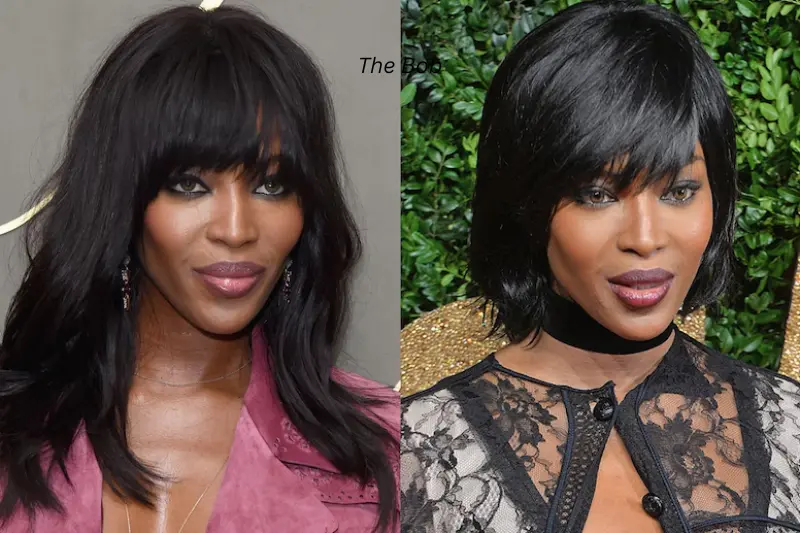
When you think of women’s fashion in the 1920s, one image immediately comes to mind: the bob haircut. This short, sharp style became the ultimate symbol of the modern woman, marking a dramatic break from the long, carefully pinned hair of previous decades.
What the Bob Looked Like
The classic bob of the 1920s was typically:
- Cut straight around the head at about jaw level
- Often paired with bangs or a sleek center part
- Worn smooth during the day or styled into soft finger waves for evenings
Some women opted for variations like the shingle bob (tapered at the nape) or the Eton crop (even shorter, inspired by men’s cuts).
Why the Bob Was Revolutionary
Before the 1920s, short hair on women was rare. Cutting it off signaled independence and a rejection of old-fashioned norms. The bob complemented the loose, boyish silhouettes of flapper dresses and allowed for more active lifestyles — dancing, sports, and work.
Styling the Bob
Women used marcel irons, finger-waving, and pomades to keep the look glossy and sculpted. Headbands, cloche hats, and jeweled barrettes were popular accessories to highlight the cut.
The Bob’s Legacy
The bob didn’t disappear with the 1920s. Its variations — from sleek chin-length cuts to textured lobs — remain a go-to style today. It’s a timeless haircut that still carries the same spirit of confidence and modernity it did a century ago.
Skirt Hemlines Rose

One of the most striking changes in women’s clothing during the Roaring Twenties was the dramatic rise of skirt hemlines. After centuries of long, heavy skirts, women embraced shorter, lighter designs that matched their new freedoms.
From Ankle-Length to Knee-Length
At the start of the decade, skirts still hovered around the ankle. By the mid-1920s, fashionable day dresses were several inches below the knee; by 1926–1927, many reached the knee itself. This was the first time in modern Western fashion that women’s legs and knees were openly visible.
Why Hemlines Rose
- Greater Mobility – Shorter skirts made dancing, driving, and sports much easier.
- Social Change – Women had just won the right to vote and were entering the workforce in larger numbers. Their clothing reflected independence.
- Youthful Aesthetic – Designers like Coco Chanel promoted a slim, boyish silhouette with higher hemlines to create a modern, active look.
Styling the Shorter Skirt
Flapper dresses with dropped waists often featured beading, fringe, or pleats to accentuate movement. Stockings in nude or pastel shades became essential to complete the outfit, and low-heeled Mary Jane or T-strap shoes made dancing easier.
Lasting Impact
The rise of skirt hemlines in the 1920s permanently changed women’s fashion. Even though hemlines dipped again in the 1930s, the idea that skirts could be short and practical never went away. Today’s mini skirts and above-the-knee dresses trace their roots back to this daring decade.
Flapper Style
When people picture the 1920s, they often imagine the flapper — a young woman dancing the Charleston, wearing a beaded dress, and sporting a bold bob haircut. The flapper style wasn’t just a fashion trend; it was a symbol of freedom, youth, and rebellion against old social norms.
What “Flapper” Meant
The word “flapper” originally described a fashionable, unconventional young woman. By the mid-1920s, it became synonymous with a whole lifestyle — jazz clubs, short skirts, cigarettes, and an unapologetic embrace of modernity.
Key Elements of Flapper Style
Dresses
- Dropped Waistlines – Shifted the silhouette from an hourglass to a straight, boyish shape.
- Shorter Hemlines – Knee-length or slightly below, perfect for dancing.
- Beading & Fringe – Caught the light and moved dramatically during the Charleston.
- Luxurious Fabrics – Silk, chiffon, velvet, and satin for evening wear.
Hair
- The Bob – Chin-length hair was a bold break from tradition.
- Finger Waves & Curls – Added softness for evenings out.
Makeup
- Dark or red lipstick
- Smoky, kohl-rimmed eyes
- Thin, dramatic eyebrows
Accessories
- Headbands & Tiaras – Often jeweled or feathered, worn across the forehead.
- Long Pearl Necklaces – Worn in multiple strands.
- Beaded Handbags & Cigarette Holders – Stylish extras that completed the look.
- Low-Heeled Mary Janes or T-Strap Shoes – Comfortable for hours of dancing.
Why Flapper Style Was Revolutionary
Flapper fashion represented a break from the restrictive clothing of the Victorian and Edwardian eras. By wearing loose, shorter dresses and bobbing their hair, women signaled independence, sexual liberation, and a desire for fun over formality.
The Cloche: The Hat That Defined 1920s Chic
No accessory captures the look of the Roaring Twenties better than the cloche hat. Its simple bell shape framed the face perfectly and became a must-have for fashionable women throughout the decade.
What Is a Cloche Hat?
The word cloche comes from the French for “bell,” which describes the hat’s silhouette. It was typically:
- Made of felt or straw
- Fitted snugly over the head and worn low on the forehead
- Trimmed with ribbons, bows, or brooches to match the outfit
This close fit highlighted the short bob hairstyles that were becoming popular at the same time.
Why It Became So Popular
- Modern Shape – The streamlined, no-frills design matched the new, boyish silhouettes of the 1920s.
- Practicality – It stayed in place while women danced, drove, or worked.
- Versatility – Could be worn plain for daytime or decorated for evening events.
Styling the Cloche
Women often tilted the cloche slightly forward to create a mysterious, downcast look. Many hats were accessorized with bands that signaled a woman’s marital status — for example, an arrow-shaped ribbon meant she was single but in love.
The Cloche’s Legacy
Although its peak was the 1920s, the cloche continues to inspire designers. Modern versions made from wool or felt appear in fall and winter collections as a vintage-chic alternative to beanies or berets.
The Little Black Dress: A 1920s Game-Changer
When you think of timeless fashion, one piece instantly comes to mind: the little black dress (LBD). While it’s now a staple in almost every woman’s wardrobe, its roots go back to the 1920s — and to the designer who made it famous, Coco Chanel.
Birth of the Little Black Dress
Before the 1920s, black clothing was mostly reserved for mourning. In 1926, Coco Chanel introduced a simple black sheath dress in Vogue magazine. It was knee-length, straight-cut, and totally unlike the ornate gowns of earlier decades. The magazine predicted it would become “a sort of uniform for all women of taste,” and it did.
Why It Was Revolutionary
- Simplicity & Versatility – A single dress could work for day or evening with just a change of accessories.
- Modern Silhouette – Its clean lines matched the boyish shapes of flapper fashion.
- Democratizing Fashion – Black fabric was widely available, making the look accessible beyond the elite.
How Women Wore It in the 1920s
- Paired with pearls or a jeweled brooch for evening glamour.
- Worn with cloche hats or headbands for daytime chic.
- Combined with low-heeled pumps or T-strap shoes for dancing.
The Little Black Dress Today
Nearly a century later, the LBD remains a go-to piece for women worldwide. Designers reinterpret it every season, but its essence — simple, elegant, versatile — is still pure 1920s Chanel.
The Robe de Style: The Romantic Side of 1920s Fashion
When most people think of 1920s fashion, they picture straight, loose flapper dresses. But not every woman embraced that boyish silhouette. Another major trend of the decade was the robe de style, a gown that offered a softer, more romantic option.
What Was the Robe de Style?
The robe de style was a formal evening or party dress characterized by:
- A fitted bodice and a natural or slightly dropped waist
- A wide, full skirt (often supported by petticoats)
- Luxurious fabrics like silk taffeta, satin, or velvet
- Embellishments such as bows, lace, embroidery, or metallic accents
This design created an hourglass or bell-shaped look reminiscent of 18th- and 19th-century gowns — but with modern 1920s detailing.
Origins and Designers
The style was especially associated with French designer Jeanne Lanvin, who popularized it as a chic alternative to the flat, straight flapper dress. It appealed to women who wanted fashionable clothing without giving up a traditionally feminine silhouette.
Why It Stood Out
- Romantic Elegance – It offered volume and movement at a time when most dresses were slim.
- Versatility – Worn at weddings, formal dances, and high-society events.
- Modern Yet Classic – Combined vintage inspiration with contemporary fabrics and colors.
Styling the Robe de Style
Women paired these gowns with long gloves, delicate heels, jeweled headpieces, and sometimes a shorter bob hairstyle for a striking contrast between old-world dress and modern hair.
Legacy of the Robe de Style
Although the flapper dress is the icon of the 1920s, the robe de style shows the decade’s diversity. Its romantic silhouette continues to influence bridal and eveningwear designers today, proving that femininity and modernity can coexist.
Top Designers of the 1920s Era: The Creators Behind the Style
The Roaring Twenties didn’t just revolutionize how people dressed; it also catapulted a new generation of designers to international fame. These visionaries shaped the silhouettes, fabrics, and accessories that defined the decade.
- Coco Chanel (France)
Arguably the most famous designer of the 1920s, Gabrielle “Coco” Chanel helped liberate women from corsets and fussy clothing. She popularized:
The little black dress
Jersey fabrics for everyday wear
Simple, elegant suits and relaxed sportswear
Chanel’s designs embodied modernity and accessibility, making chic style available beyond the elite.
Jeanne Lanvin (France)
Lanvin was known for her robe de style, a romantic alternative to the flapper dress. She combined luxurious fabrics, embroidery, and full skirts with a youthful sensibility. Her work bridged tradition and modern fashion.
Jean Patou (France)
Patou pioneered sportswear for women — tennis dresses, knit sweaters, and streamlined daywear. He’s also credited with popularizing the designer logo on clothing and launched some of the first truly global perfume brands.
Elsa Schiaparelli (Italy)
Although her peak came in the 1930s, Schiaparelli began gaining attention in the late 1920s for her innovative knits and surrealist designs. She challenged conventional fashion with bold color and unexpected details.
Madeleine Vionnet (France)
Vionnet perfected the bias cut, which allowed fabric to drape naturally over the body. Her gowns offered a sleek, body-skimming elegance that contrasted with stiff tailoring and set the stage for 1930s glamour.
Callot Soeurs (France)
This Parisian fashion house, run by a group of sisters, was renowned for its exquisite craftsmanship, lacework, and luxurious evening gowns. They were favorites of high-society clients worldwide.
American Designers
While Paris dominated high fashion, American designers like Mainbocher and Clare Potter began experimenting with ready-to-wear and sportswear in the 1920s, laying groundwork for the U.S. fashion industry’s later rise.
Why These Designers Matter
These names shaped not only 1920s style but also the entire trajectory of modern fashion. Concepts like sportswear, simplicity, branding, and functional elegance were born or solidified in this decade, and they still influence what we wear today.
Men’s Trends of the 1920s: From Jazz Age Suits to Casual Sportswear
While women’s flapper dresses often steal the spotlight, the Roaring Twenties also transformed men’s wardrobes. The decade brought bolder suits, more relaxed leisurewear, and accessories that gave every outfit polish. Here’s a full look at the key men’s trends of the 1920s.
Three-Piece Suits
The backbone of a man’s wardrobe was the three-piece suit: jacket, trousers, and vest (waistcoat). Typical features included:
- Wide lapels and padded shoulders
- High-waisted trousers with cuffs
- Soft fabrics like tweed, flannel, or wool blends
Daytime suits came in grays, browns, or pinstripes, while evening versions leaned darker or included tuxedos with satin lapels.
Oxford Bags & Plus-Fours
- As hemlines rose for women, trousers widened for men.
- Oxford bags were extra-wide pants popular with university students.
- Plus-fours (knickerbocker-style trousers four inches longer than golf knickers) became a staple for sports and casual outings.
The Rise of Sportswear
With more leisure time, men embraced casual clothes such as:
- Knit sweaters and cardigans
- Fair Isle vests
- Soft collared shirts for golf or tennis
This was a major step toward the modern concept of weekend wear.
Shirts & Ties
- Collar Styles – Detachable stiff collars gave way to softer attached collars.
- Patterns – Stripes, checks, and club ties added personality.
- Bow Ties & Neckties – Both were common; ties were often shorter and wider than today’s.
Outerwear
Men layered with:
- Double-breasted overcoats
- Raglan-sleeved trench coats
- Leather driving jackets for the new motoring culture.
Shoes
- Two-Tone Brogues and Oxfords were fashionable for daywear.
- Patent Leather Pumps or evening shoes paired with tuxedos.
- Spectator shoes added flair to casual outfits.
Hats & Accessories
No man in the 1920s went out without a hat:
- Fedoras and trilbies for everyday wear
- Boater hats in summer
- Flat caps with sportswear
Accessories included pocket watches, tie pins, cufflinks, and walking sticks.
Grooming Trends
Slicked-back hair, side parts, and neatly trimmed mustaches gave men a polished appearance. Hair pomades and brilliantine kept styles in place.
The Legacy of 1920s Men’s Fashion
The decade cemented the suit-and-tie as a male uniform but also introduced true casualwear. Many details we still see today — wide lapels, patterned ties, two-tone shoes — began in the Jazz Age.
In the Culture: How 1920s Fashion Reflected Society
Fashion in the 1920s didn’t happen in a vacuum. Every hemline, hat, and haircut reflected bigger cultural shifts in music, technology, and social life. Understanding the culture helps explain why people dressed the way they did.
Jazz, Nightlife, and Dance
The explosion of jazz clubs, speakeasies, and new dances like the Charleston demanded clothes that moved easily. Flapper dresses with fringe and men’s looser trousers weren’t just stylish — they were practical for long nights on crowded dance floors.
Women’s New Roles
After World War I and the fight for suffrage, women entered the workforce in greater numbers and enjoyed more independence. Their clothes became shorter, lighter, and less restrictive to match their new lives. The bob haircut and cloche hat symbolised this freedom.
The Automobile & Technology
Cars, radios, and mass-produced goods changed daily life. People traveled more and bought ready-to-wear clothing. This pushed designers to create outfits that were both fashionable and functional.
Film and Celebrity Influence
Hollywood stars like Clara Bow and Rudolph Valentino shaped trends worldwide. Audiences copied their on-screen looks, making 1920s style one of the first truly global fashion movements.
Consumer Culture
Department stores, mail-order catalogs, and glossy magazines spread new styles faster than ever before. Ordinary people could now see and buy what was fashionable in Paris or New York.
Final Thoughts
The culture of the 1920s — jazz, cinema, cars, and social freedom — didn’t just inspire fashion; it made the modern fashion system possible. Clothes, music, and lifestyle all reinforced each other to create the energetic, forward-looking style we still admire today.