
Introduction
In a world where fast fashion dominates and social media fuels ever-changing trends, one aesthetic is quietly taking center stage: old money style. Rooted in tradition and timeless elegance, this look is less about showing off wealth and more about expressing confidence, heritage, and good taste. Think impeccably tailored blazers, muted color palettes, and accessories so subtle they whisper sophistication instead of shouting status.
This guide explores what old money style really means, why it’s trending, and how you can incorporate its classic principles into your wardrobe and lifestyle — no trust fund required.
What Is Old Money Style?
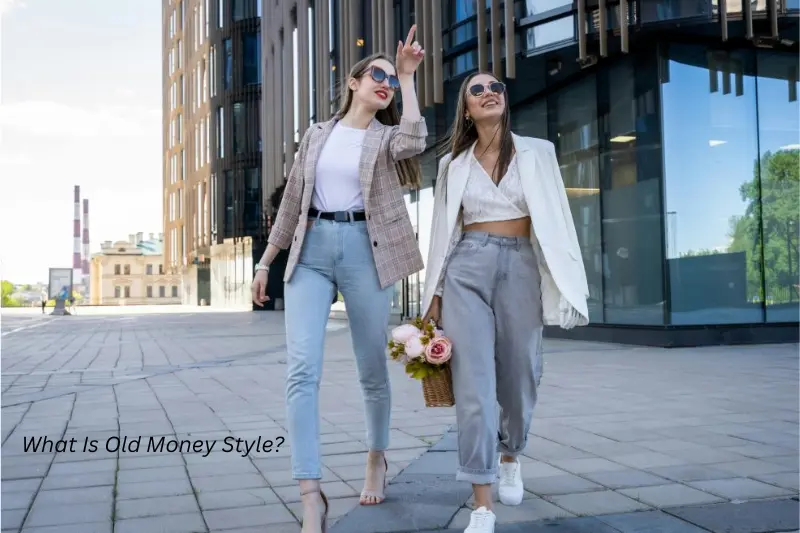
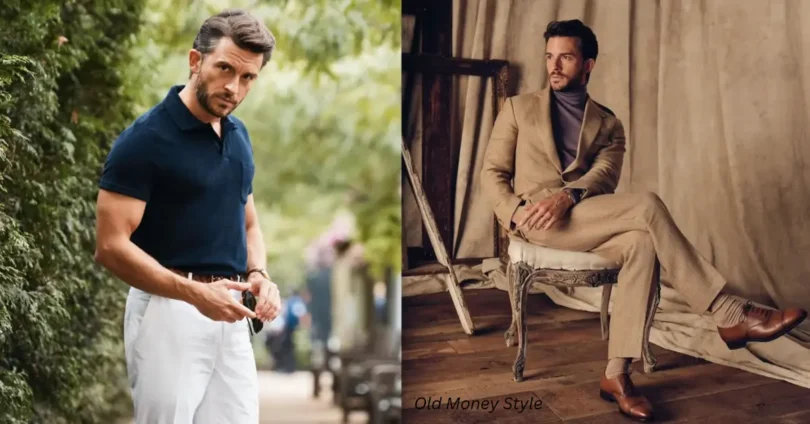
“Old money style” refers to the understated, timeless way of dressing and living traditionally associated with families who have had wealth for generations. Unlike flashy trends or logo-heavy outfits, this aesthetic values quality, restraint, and heritage.
At its core, old money style is about quiet confidence. Clothes are impeccably tailored but not showy. Fabrics are natural — think cashmere, linen, and wool — chosen for their longevity rather than their seasonality. Accessories are classic, functional, and discreet. Even grooming and etiquette are part of the look, projecting refinement without trying too hard.
In other words, old money style isn’t about how much you spend; it’s about how thoughtfully you curate your wardrobe and lifestyle to reflect timeless elegance instead of passing fads.
Core Fashion Principles of Old Money Style
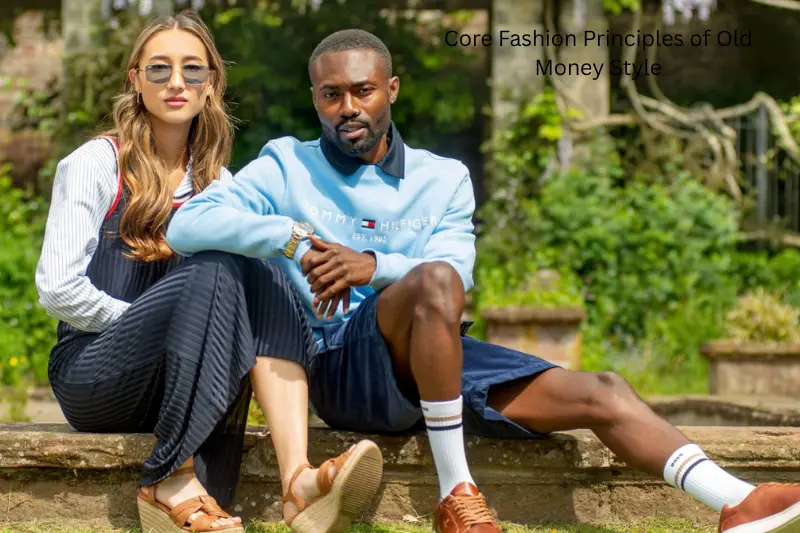
Old money style is built on subtle details that add up to an unmistakable look. These are the key principles to follow when curating your wardrobe:
Neutral, Timeless Color Palettes
Cream, navy, camel, white, black, and muted pastels form the backbone of an old money wardrobe. These shades mix easily and never feel dated, giving you maximum wear out of every piece.
Impeccable Fit and Tailoring
No matter the price tag, clothing should fit perfectly. A well-cut blazer or perfectly hemmed trousers elevates your look instantly. Investing in alterations is often more impactful than buying something new.
High-Quality, Natural Fabrics
Choose materials that drape beautifully and last: wool, cashmere, linen, silk, cotton. They feel better on the skin, age gracefully, and signal quiet luxury.
Understated Accessories
Accessories in old money style aren’t meant to steal the spotlight. Classic leather loafers, pearl earrings, thin gold bangles, or a simple watch complete an outfit without overwhelming it.
Subtle Patterns & Textures
If you want variation, opt for soft stripes, herringbone, tweed, or cable knits. They add depth without screaming for attention.
Quality over Quantity
Build a smaller but more versatile wardrobe. A few well-made staples — a trench coat, loafers, a cashmere sweater — will outlast and outperform a closet full of trendy items.
Grooming & Presentation
Old money style extends far beyond clothes — it’s also about how you present yourself. Grooming and personal care are subtle signals of refinement, and they complete the quiet-luxury aesthetic.
Effortless Hair
Hair should look healthy, clean, and neatly styled — not overly processed or overly styled. Think soft waves, classic bobs, simple updos, or neatly trimmed cuts for men.
Polished Nails
Short, well-shaped nails in neutral or clear polish look sophisticated and low-maintenance. For men, clean, trimmed nails are just as important.
Minimal Makeup & Fragrance
Old money makeup enhances rather than transforms: light foundation, neutral eyes, soft blush, and classic lip shades. Fragrances are typically subtle and timeless — think clean florals, fresh citrus, or light musks rather than overpowering scents.
Posture & Body Language
Good posture, steady eye contact, and calm gestures project confidence and grace. These cues are as much a part of old money style as a cashmere sweater or pearl earrings.
Manners & Etiquette
Refined behavior — being polite, attentive, and gracious — amplifies the elegance of your look. After all, style isn’t just what you wear, but how you carry yourself.
Lifestyle Elements
Old money style isn’t just about what you wear — it’s a way of living. The lifestyle choices associated with this aesthetic reflect tradition, culture, and a focus on quality over quantity.
Cultivated Hobbies
Activities like tennis, sailing, golf, horseback riding, reading, and attending cultural events (theatre, opera, art exhibitions) are traditionally tied to the old money lifestyle. They’re less about showing off and more about enriching yourself.
Travel with Purpose
Rather than chasing the most Instagrammable destinations, travel is often slower and more thoughtful: heritage cities, countryside retreats, boutique hotels, and experiences that deepen knowledge and appreciation of culture.
Classic Home Décor
Interiors lean toward timeless design — antique furniture, quality wood, neutral tones, and well-curated art. Spaces are elegant yet understated, emphasizing craftsmanship and comfort.
Minimalism over Consumerism
Rather than buying excessively, the focus is on acquiring fewer but better items — whether that’s clothing, furniture, or even experiences.
Discretion & Privacy
Another hallmark of old money living is valuing privacy over publicity. The lifestyle leans toward subtlety and self-possession rather than public displays.
Why Old Money Style Is Popular Today
In an age of constant trends and social media “flexing,” old money style has become a refreshing alternative. Its appeal lies in values that feel increasingly relevant: quality, restraint, and timelessness. Here’s why it’s having a major moment now:
The Rise of “Quiet Luxury”
Shows like Succession and celebrities such as Sofia Richie have made understated elegance aspirational again. People are drawn to wardrobes that whisper sophistication instead of screaming with logos.
Sustainability & Slow Fashion
Fast fashion has left many consumers fatigued and concerned about waste. Old money style — with its emphasis on fewer, higher-quality pieces — fits naturally with the slow fashion and sustainability movement.
Economic & Cultural Shifts
As trends become oversaturated online, subtlety feels rare and exclusive. In a noisy digital world, understated style stands out as a mark of self-assurance and taste.
Timeless Appeal
Trends come and go, but a camel coat, a pearl earring, or a crisp white shirt never feels dated. Old money style offers consistency in a culture obsessed with change.
How to Achieve the Look on Any Budget
You don’t need a trust fund to dress and live with old money elegance. The secret lies in being intentional about your choices, not in spending excessively. Here’s how to build the look without breaking the bank:
Build a Capsule Wardrobe
Start with versatile, timeless pieces: a crisp white shirt, a tailored blazer, well-fitted trousers or skirts, a trench coat, and classic shoes. A small, curated wardrobe can look far more polished than a closet full of trends.
Choose Quality Fabrics — Even Secondhand
Shop vintage stores, consignment shops, or online resale platforms for items made of wool, silk, cashmere, and linen. Pre-owned high-quality pieces often cost less than new fast-fashion items.
Tailor What You Already Own
A well-fitted garment looks expensive, even if it wasn’t. Simple alterations — adjusting hems, nipping in a waist, or replacing buttons — can transform your clothes.
Invest in Accessories First
Classic leather loafers, a structured handbag, a slim gold watch, or pearl studs elevate an outfit instantly. Accessories are often cheaper than a full wardrobe overhaul and make a strong impression.
Polish Your Grooming & Etiquette
Good grooming costs little but makes a huge difference. Neat hair, clean nails, and confident posture give you the aura of old money style without spending a dime.
Buy Fewer, Better Things
Instead of chasing every new trend, save for one quality piece at a time — a cashmere sweater, a tailored coat, or leather shoes. Over time, your wardrobe will transform.
Common Mistakes to Avoid
When trying to embrace old money style, it’s easy to slip into habits that actually undermine the look. Here are the most common pitfalls:
Overdoing Logos and Branding
Visible logos contradict the quiet-luxury aesthetic. Choose pieces with discreet or no branding to keep the focus on quality and fit.
Chasing Every Trend
Old money style is timeless. Mixing in too many trendy items at once can make your wardrobe look confused rather than classic.
Ignoring Fit
Even an expensive garment looks cheap if it doesn’t fit well. Tailoring is more important than price tags.
Choosing Cheap Fabrics
Synthetic fabrics tend to wear out quickly and lose their shape. Natural fibers like wool, silk, linen, and cotton give a polished look even if bought secondhand.
Over-Accessorizing
Less is more. Stick to one or two classic accessories per outfit rather than layering multiple statement pieces.
Neglecting Grooming & Etiquette
Clothes alone won’t carry the old money aesthetic. Unkempt hair, chipped nails, or poor manners can undo the impression of sophistication.
Inspiration & Examples
If you’re looking for real-life references, plenty of public figures and fictional characters embody old money style. Studying them can help you see how timeless pieces, subtle colors, and good grooming come together in practice.
Classic Style Icons
- Grace Kelly – Her tailored suits, silk scarves, and polished accessories remain a blueprint for refined dressing.
- Jackie Kennedy Onassis – Known for clean lines, pillbox hats, and understated glamour that still looks modern today.
- Cary Grant – For men, Grant’s perfectly cut suits, neutral tones, and confident posture are an enduring example of quiet elegance.
Modern Examples
- Sofia Richie Grainge – Her recent wedding looks and everyday outfits have reignited interest in the “quiet luxury” aesthetic.
- Ralph Lauren’s Early Collections – Even the brand’s early campaigns captured an aspirational yet understated lifestyle tied to old money style.
Fictional Inspirations
- The Roy family in Succession (subtle tailoring, muted color palettes).
- The characters of Gossip Girl (particularly the “old money” side of the cast).
Use these examples not to copy exactly, but to understand the common thread: timeless silhouettes, muted palettes, and a polished presence that speaks without shouting.
Conclusion
Old money style is more than a dress code — it’s a mindset. It’s about choosing timeless pieces over trends, quality over quantity, and refinement over flash. You don’t need generational wealth to embody this look; you only need intention, restraint, and a focus on details.
By building a thoughtful wardrobe, maintaining polished grooming, and embracing a lifestyle rooted in culture and subtlety, you can project the quiet confidence that makes old money style so enduring. In a world of fleeting fashions, its understated elegance will always feel relevant.