
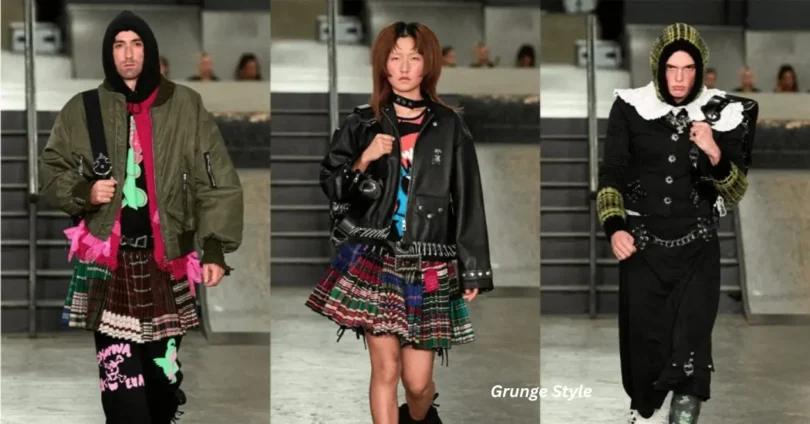

When did grunge start?
Grunge as a cultural and musical movement started in the mid-to-late 1980s, primarily in Seattle, Washington.
Here’s a quick breakdown:
- Early 1980s: Underground bands in Seattle, influenced by punk rock, heavy metal, and indie music, began developing a raw, heavy sound. Bands like Green River and Malfunkshun are often cited as early pioneers.
- Mid-1980s: The term “grunge” started circulating in local music scenes, describing the distorted, unpolished sound and the unkempt, casual style associated with the musicians.
- Late 1980s – Early 1990s: Bands like Nirvana, Soundgarden, Alice in Chains, and Pearl Jam brought grunge to national and international attention. Nirvana’s 1991 album Nevermind is widely credited with making grunge mainstream.
So while the aesthetic and music evolved over the 1980s, grunge officially exploded in popularity around 1991–1992, shaping fashion, music, and youth culture for the decade.
What is Grunge Style?
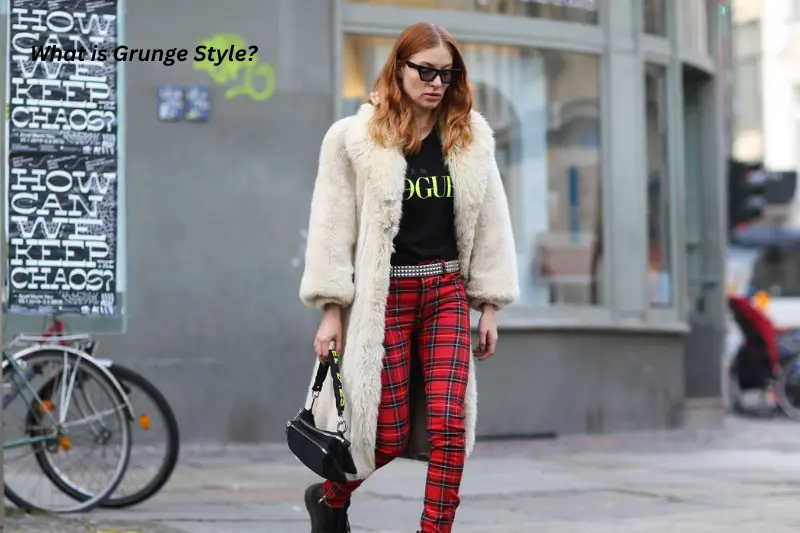
Grunge style is a fashion and aesthetic movement that emerged in the late 1980s and early 1990s, closely tied to the grunge music scene in Seattle. It emphasizes raw, unpolished, and effortlessly edgy looks, combining comfort, individuality, and a rebellious attitude toward mainstream fashion.
Key Features of Grunge Style
- Layered, Oversized Clothing
Flannel shirts, baggy sweaters, and oversized jackets create a casual, lived-in feel that’s central to grunge fashion. - Distressed Denim
Ripped or faded jeans and worn-in jackets give outfits a rugged, authentic edge. - Band T-Shirts
Vintage or distressed tees featuring rock bands reflect the musical roots of grunge. - Sturdy Footwear
Combat boots like Doc Martens or classic sneakers like Converse complete the look with durability and attitude. - Muted or Dark Colors
Grays, blacks, deep greens, and burgundy dominate the palette, though subtle pops of color are sometimes incorporated. - Minimal Accessories
Beanies, chokers, and simple jewelry enhance the aesthetic without overpowering it.
The Philosophy Behind Grunge Style
Grunge style is not just clothing—it’s an attitude. It rejects over-polished, trend-driven fashion in favor of authenticity, comfort, and individuality. The aesthetic celebrates imperfection, casual layering, and a “thrown-together” look that feels effortless yet intentional.
In short, grunge style combines edgy, comfortable, and authentic fashion, rooted in music and rebellion, yet versatile enough to adapt to modern trends.
Iconic Characteristics of Grunge Style
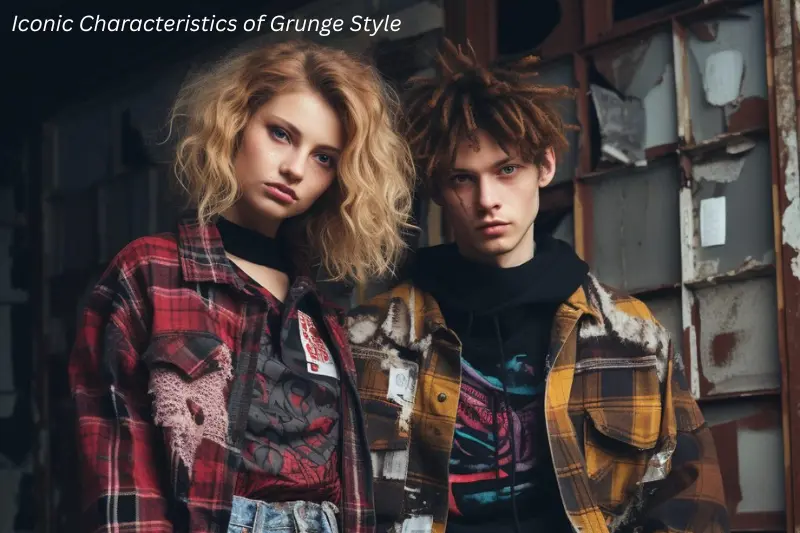
Grunge style is instantly recognizable due to its distinctive blend of casual, edgy, and rebellious elements. These characteristics reflect the fashion’s roots in 1990s Seattle music culture.
Flannel Shirts
Oversized, plaid flannel shirts are the ultimate grunge staple. Often layered over t-shirts or tied around the waist, they epitomize the effortless, laid-back vibe of grunge.
Distressed Denim
Ripped jeans, frayed hems, and faded denim jackets give grunge outfits a rugged, lived-in appearance. The wear-and-tear look conveys authenticity and nonchalance.
Band T-Shirts
Vintage or worn-out tees featuring iconic rock bands are a hallmark of grunge fashion, reflecting the movement’s deep connection to music.
Combat Boots and Sturdy Footwear
Footwear is practical yet bold. Classic Doc Martens, worn leather boots, or Converse sneakers add edge and durability to any grunge outfit.
Layering and Oversized Pieces
Grunge embraces loose, oversized clothing and creative layering—hoodies under flannels, cardigans over tees, or jackets paired with baggy jeans. Comfort and style go hand in hand.
Muted and Dark Colors
Grunge fashion often favors subdued colors like black, gray, olive green, and burgundy, occasionally punctuated with subtle accents.
Minimal Accessories
Accessories are understated—beanies, chokers, simple rings, and layered necklaces complement the outfit without overpowering it.
Effortless, Unpolished Look
Perhaps the most iconic characteristic is intentional imperfection. Hair may be messy, clothes worn-in, and overall styling casual—this creates the rebellious, nonconformist aura grunge is known for.
These iconic characteristics make grunge style timeless and adaptable, allowing it to evolve while maintaining its signature edge and authenticity.
The Evolution of Grunge
Grunge is more than a fashion style or music genre—it’s a cultural phenomenon that has evolved over decades. From its underground beginnings to mainstream influence, grunge has left an enduring mark on music, fashion, and youth culture.
Origins in the 1980s
Grunge began in Seattle, Washington, during the mid-to-late 1980s. Early bands like Green River, Malfunkshun, and Soundgarden blended punk rock, heavy metal, and indie influences to create a raw, distorted sound.
The style of the musicians mirrored their music: flannels, ripped jeans, oversized sweaters, and combat boots, emphasizing comfort and nonconformity. The term “grunge” initially described this unpolished, gritty aesthetic.
The Mainstream Breakthrough in the Early 1990s
Grunge exploded into mainstream culture with bands like Nirvana, Pearl Jam, Alice in Chains, and Mudhoney. Nirvana’s 1991 album Nevermind is widely credited with bringing grunge to global attention.
With mainstream exposure came fashion influence. Teenagers and young adults embraced flannels, distressed denim, and band tees, adopting the look as a symbol of rebellion and individuality.
Fashion and Pop Culture Influence
By the mid-1990s, grunge transcended music and influenced high fashion, magazines, and films. Designers like Marc Jacobs brought grunge-inspired looks to the runway, combining oversized plaid, layered textures, and worn-in boots with luxury materials.
Pop culture embraced the aesthetic in movies like Singles (1992) and through celebrity icons, making it a defining style of the decade.
Decline and Transformation in the Late 1990s
As grunge became mainstream, its raw, anti-establishment identity diluted. By the late 1990s, other music genres like pop-punk and nu-metal gained prominence, and traditional grunge began to fade.
However, the aesthetic never disappeared—it morphed into streetwear and alternative fashion, influencing casual, edgy trends still popular today.
Grunge in Modern Fashion
In the 2000s and 2010s, grunge experienced a resurgence. Vintage flannels, distressed denim, and combat boots returned to streetwear and high fashion alike. Today’s grunge is often a blend of 90s authenticity with modern styling, appealing to those who value individuality, comfort, and a rebellious edge.
Why Grunge Endures
The longevity of grunge lies in its authenticity, versatility, and cultural significance. It’s not just about clothes or music—it’s about an attitude: rejecting perfection, embracing imperfection, and expressing yourself unapologetically.
Grunge has evolved from an underground music scene to a global fashion and cultural phenomenon, proving that its edgy, authentic spirit truly stands the test of time.
Grunge Style FAQs
What is grunge style?
Grunge style is a fashion and aesthetic movement from the late 1980s and early 1990s, associated with the Seattle music scene. It emphasizes oversized clothing, distressed denim, flannel shirts, band t-shirts, and combat boots, reflecting a raw, edgy, and authentic look.
When did grunge start?
Grunge originated in Seattle during the mid-to-late 1980s as an underground music scene. It became mainstream in the early 1990s with bands like Nirvana, Pearl Jam, and Soundgarden.
What are the key elements of grunge fashion?
Oversized flannels
Distressed or ripped denim
Band t-shirts
Combat boots or Converse sneakers
Layered clothing
Muted or dark color palette
Minimal accessories like chokers or beanies
Who popularized grunge style?
Bands like Nirvana, Pearl Jam, Soundgarden, and Alice in Chains not only shaped grunge music but also influenced the fashion associated with it. High-fashion designers in the 1990s also adapted grunge aesthetics for the runway.
How is grunge style different from other fashion trends?
Unlike polished, trend-driven styles, grunge celebrates imperfection and comfort. Its focus is on authenticity, self-expression, and a rebellious, anti-mainstream attitude.
Can grunge style be worn today?
Yes! Modern grunge mixes vintage pieces with contemporary fashion, like pairing distressed denim with sleek jackets or layering flannels over modern streetwear. The look remains versatile and timeless.
Is grunge only about clothing?
No. Grunge is also a lifestyle and attitude, emphasizing individuality, anti-conformity, and authenticity. Music, art, and even makeup contribute to the aesthetic.
Conclusion
Grunge style is more than just a fashion trend—it’s a cultural statement, a mindset, and a celebration of individuality. From its roots in the 1980s Seattle music scene to its influence on modern streetwear and high fashion, grunge has proven that authenticity and self-expression never go out of style.
Its iconic elements—flannel shirts, distressed denim, band tees, combat boots, and effortless layering—allow anyone to embrace a look that’s edgy, comfortable, and timeless. Beyond clothes, grunge represents a rebellious spirit, a refusal to conform, and the courage to express yourself unapologetically.
Whether you’re a longtime fan of 90s music and culture or a newcomer seeking a bold, authentic aesthetic, grunge style offers a versatile, enduring way to showcase your personality and confidence. In short, grunge isn’t just fashion—it’s an attitude that stands the test of time.






weed edibles online shop trusted store